In the Stillness of Istanbul's Night: 3,000 Drummers Revive Ottoman Heritage in Ramadan
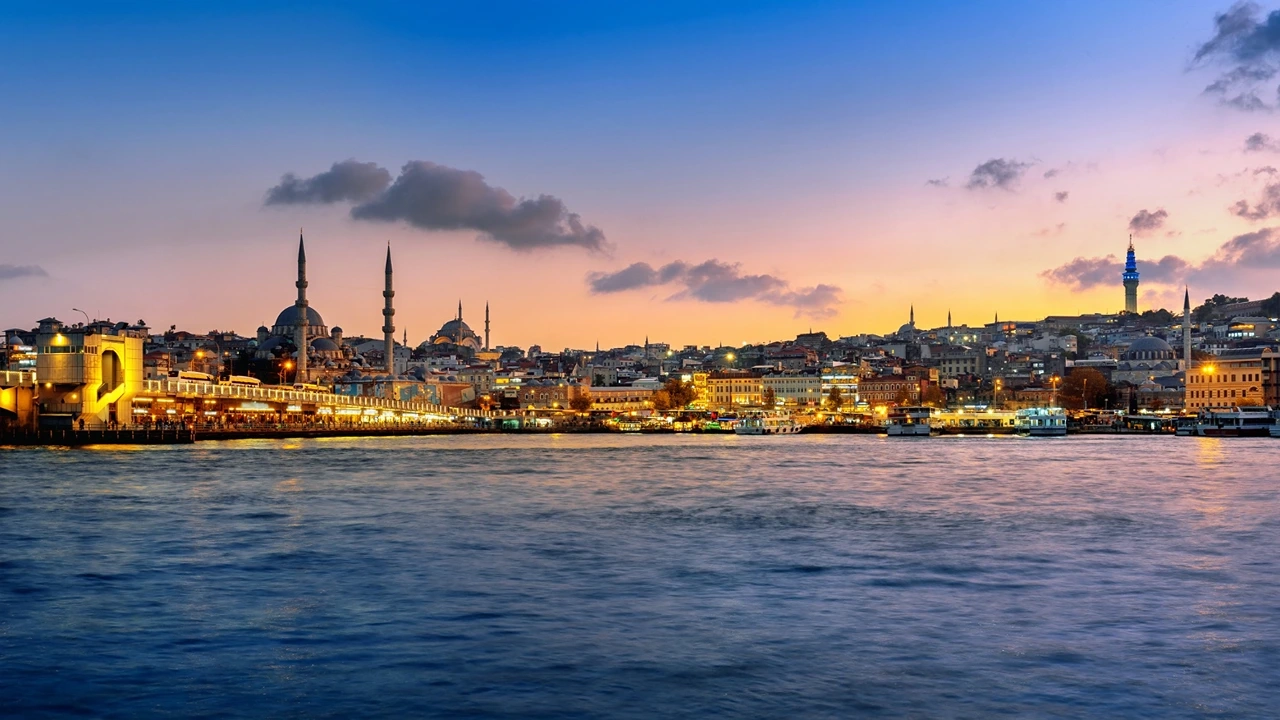
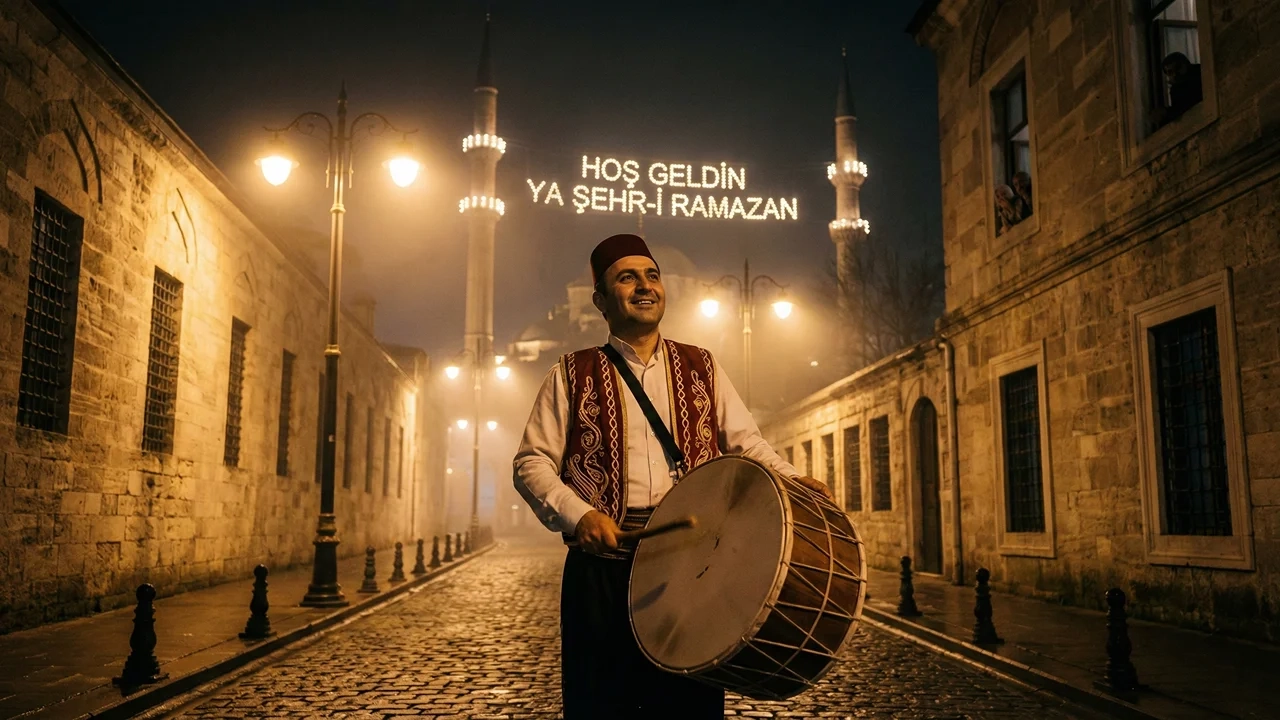
At exactly four o'clock at dawn, while fog envelops the ancient alleys of Istanbul and the city sleeps on the banks of the Bosphorus, a familiar rhythmic sound breaks the silence of the night, bringing to mind tales of sultans and bygone eras. It is not just the sound of a drum; rather, it is the pulse of history that refuses to be forgotten. In Ramadan 2026, Istanbul remains faithful to its customs, as thousands of "Mesaharati" (Ramadan drummers) roam the city streets to awaken the sleepers for Suhoor, in a scene that blends spirituality with heritage.
Let us take you on a nocturnal tour through the neighborhoods of Istanbul to discover how this cosmopolitan city keeps the legacy of the "Davul" (traditional drum) alive in the hearts of millions.
More Than Just Waking Up.. An Army of Heritage Guards
Some might think that the profession of the Mesaharati has disappeared in the era of smartphones and digital alarms, but in Istanbul, the matter is completely different. The Mesaharati here is not a passing individual, but rather part of an officially supported cultural system to preserve the flavor of Ramadan in Istanbul.
Local data and sources indicate the size of this amazing organization:
- 3000 Drummers: About 3000 Mesaharatis are spread across the metropolitan city.
- 961 Neighborhoods: This custom covers hundreds of neighborhoods, from the historic alleys in Fatih and Üsküdar to modern residential districts.
- Authentic Ottoman Attire: The Mesaharati does not merely carry a drum; he often wears a tarboosh (fez), traditional trousers, and an embroidered vest, reflecting the visual image of past centuries.
This scene is not random; the Mesaharatis often undergo training and coordination with the Mukhtars (neighborhood officials) to ensure their performance is perfected and suitable for the spirit of the holy month.
"Mani".. When Waking Up Turns into Poetry
Ramadan drummers in Turkey do not settle for random beating. The true essence of this heritage lies in the "Mani", which are traditional Turkish poems and quatrains recited to the beat of the drums. These chants carry various meanings:
- Cheering and Welcoming: Welcoming the arrival of the month of Ramadan and its virtues.
- Supplication: Religious invocations that awaken hearts before eyes.
- Gentle Social Critique: Sometimes the rhymes include social advice or lighthearted jokes about fasting and food.
For the foreign tourist, hearing these chants in the dark of the night adds a feeling of intimacy and tranquility, making you feel as if you are living inside a living historical novel.
How Do Residents Interact with the Mesaharati?
In popular and traditional neighborhoods, residents still revive an ancient custom of lowering a "basket" from windows containing a tip (Bahşiş) or some food for the Mesaharati. Although this custom has diminished in modern residential complexes, the Mesaharati still roams in the middle or at the end of the month to collect the Eid gift from the residents face-to-face, which is a moment of exchanging congratulations and affection among the neighborhood's people.
Best Places to Experience the "Mesaharati" Atmosphere
Not all neighborhoods of Istanbul are similar in the intensity of this experience. If you are looking for authentic Ramadan vibes where the sound of the drum echoes strongly, we recommend visiting the following areas:
1. The Historical Peninsula (Fatih and Sultanahmet)
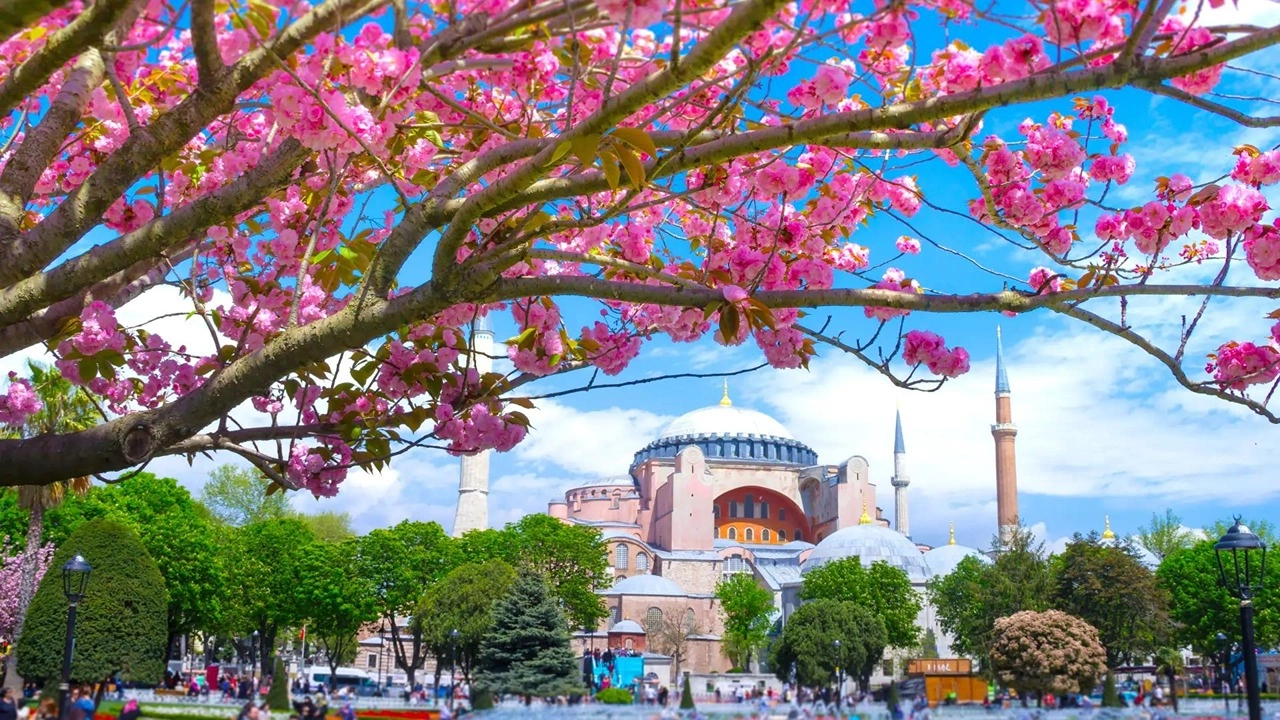
Here, the sound of the drum blends with the minarets of Hagia Sophia and the Blue Mosque. The narrow alleys enhance the echo of the sound, and the old Ottoman buildings make the experience distinctively visual and auditory. For more about the magic of this area and its history, you can check out our guide on the Hagia Sophia Grand Mosque: A Journey Through 15 Centuries of Art, Architecture, and Power.
2. Üsküdar (The Asian Side)
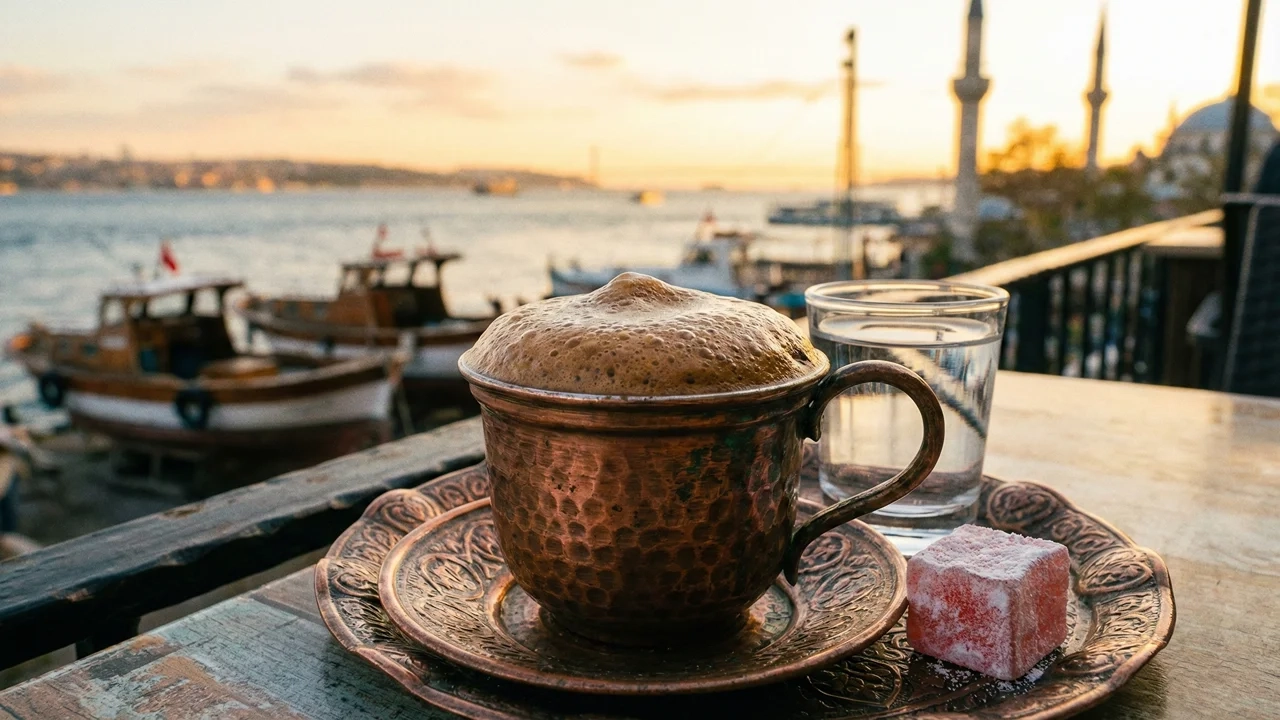
Üsküdar is considered a stronghold of conservative and quiet traditions. Sitting in one of the coastal cafes at Suhoor time and waiting for the Mesaharati to pass by is an unforgettable experience for families looking for spirituality away from the hustle and bustle of the European side.
3. Eyüp Sultan Neighborhood
Next to the shrine of the companion Abu Ayyub al-Ansari, may Allah be pleased with him, the nights of Ramadan are completely different. The squares remain bustling until dawn, and the Mesaharati here is a beloved figure awaited by children and adults alike.
Tips for the Foreign Tourist in Ramadan
As we at Skyline Travel accompany foreign visitors on their trips, we realize that traditions can be amazing, but they require some planning to ensure your family's comfort:
- Sleeping and Waking Up: If you are a light sleeper, the sound of the drum can be very loud in the old neighborhoods. Modern soundproof hotels might be a better option if you prefer quiet, while going down to the street at Suhoor time to participate.
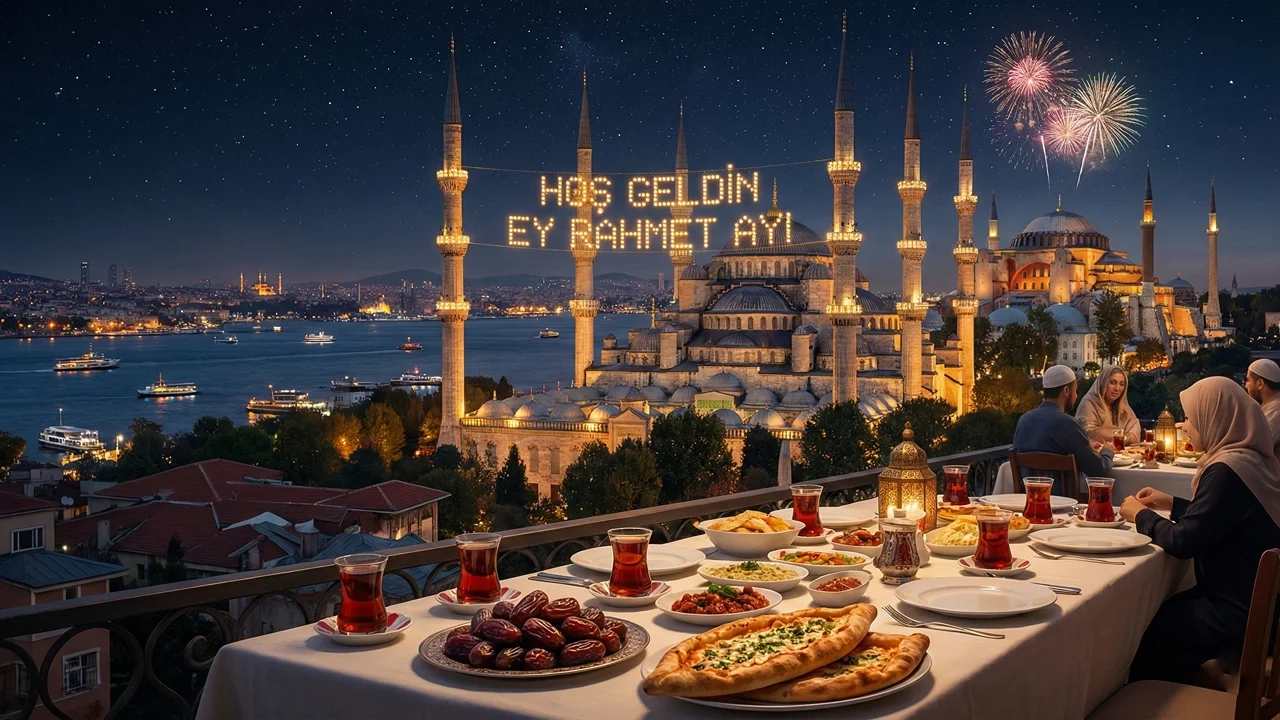
- Iftar Meal: Do not miss the experience of Iftar in the municipality restaurants that offer wonderful views, especially during sunset, and particularly at this time of year (February) when the weather is still cold and having hot Turkish soup is a perfect idea. Here is a Guide to Reaching Istanbul Municipality Restaurants.
- Weather in Ramadan 2026: Since Ramadan coincides with February and March, the atmosphere will be cold and wintry. This adds a special charm, but it requires warm clothes, and it might be an opportunity to combine your visit with a distinctive winter trip. Read our article on Winter Tourism in Turkey: Magic, Warmth, and Adventure.
Why Does Istanbul Insist on This Tradition?
In the age of technology, some might ask: "Why not just settle for the phone?". The answer lies in identity. For Turkey, abandoning the Mesaharati means abandoning a part of the spirit of Ramadan. It is a collective reminder that this month is different, and that society shares the same moments, the same waking up, and the same fasting (Imsak).
Social studies indicate that these rituals enhance social cohesion and create shared memories for new generations.
Our Services at Skyline Travel
At Skyline Travel, we understand the privacy of the foreign tourist and their needs during the month of Ramadan. Whether you are looking for hotel reservations near major mosques, or want a private car with a driver for family transportation during Iftar and Suhoor, or even organizing a tourism program that combines the spirituality of the month with the joy of discovering landmarks, we are here to serve you.
We offer you:
- Reservations in carefully selected family hotels.
- Sightseeing tours that take fasting and prayer times into consideration.
- Recommendations for the best Iftar and Suhoor restaurants that offer Halal food and family seating.
Ramadan in Istanbul is not just a trip; rather, it is a dive into the depths of Islamic history. The sound of the Mesaharati echoing between the two continents is an invitation for you to be part of this living portrait.